
Project Information
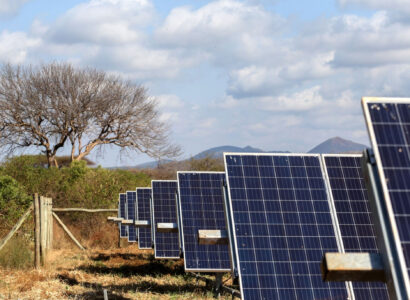
The "Solar Mini-Grids for Remote Villages & Productive Use" project is a cornerstone of PRCD's renewable energy strategy, particularly vital for counties like Samburu where vast distances, dispersed populations, and a lack of national grid infrastructure leave many communities in energy poverty. This project directly addresses the urgent need for reliable and clean electricity, transforming lives and fostering economic growth.
- Samburu
- Samburu
- July 3, 2025
- May 21, 2027
Integrated Water & Education for Climate Resilience in Samburu County
Project Goal: To provide reliable, affordable, and clean electricity to remote, off-grid villages in Samburu County through the establishment of solar mini-grids, thereby improving quality of life, powering essential services, and stimulating local economic development through productive energy use.
Context in Samburu County: Samburu County, characterized by its vast, arid landscapes and largely pastoralist communities, experiences extremely low rates of electricity access. Most residents rely on expensive, polluting, and dangerous energy sources like kerosene for lighting and diesel generators for limited power, if any. This lack of electricity severely limits:
- Education: Students cannot study after dark.
- Health: Clinics struggle to power essential medical equipment, refrigerate medicines (like vaccines), and handle emergencies at night.
- Economic Activity: Businesses are limited to daylight hours, and opportunities for value addition are minimal due to lack of power for machinery.
- Water Access: Many boreholes rely on expensive diesel pumps.
- Security: Lack of public lighting contributes to insecurity.
PRCD’s project steps into this gap by providing a sustainable, decentralized energy solution that empowers communities.
Key Project Pillars and Detailed Activities:
Pillar 1: Decentralized Solar Mini-Grid Infrastructure Development
- Site Selection and Technical Design:
- Activities: Conduct comprehensive feasibility studies in identified remote villages, assessing energy demand (current and projected), load profiles, social dynamics, and land availability.
- Design appropriately sized solar PV arrays (panels), battery energy storage systems (BESS) for night-time power, and efficient distribution networks (poles, wires, smart meters).
- Engage qualified renewable energy engineers and contractors for system design and installation.
- Installation and Commissioning:
- Activities: Procure high-quality solar PV panels, inverters, batteries, control systems, and distribution equipment.
- Supervise the construction of the mini-grid power plant and the distribution lines to connect households, businesses, and public facilities (schools, clinics, water points).
- Ensure adherence to national electrical safety standards and quality benchmarks during installation.
- Community Management & Ownership Models:
- Activities: Work with communities to establish Community Energy Management Committees (CEMCs), providing training on the basic operation, maintenance, and oversight of the mini-grid.
- Explore and implement sustainable revenue collection models (e.g., Pay-As-You-Go/PAYG smart meters for flexible payments, tiered tariffs) to ensure long-term financial viability and cover operation & maintenance costs.
- Train local technicians (especially youth) in routine maintenance and troubleshooting, creating local employment.
Pillar 2: Productive Use of Energy (PUE) for Economic Development
- Identification of Productive Use Opportunities:
- Activities: Conduct market assessments and community consultations to identify viable income-generating activities that can be powered by electricity.
- Support for Green Micro-Enterprises:
- Activities: Provide technical assistance and potentially micro-grants or access to micro-finance for community members (especially women and youth) to establish and grow businesses utilizing mini-grid power. Examples include:
- Grain Milling: Operating electric posho mills to grind maize and other grains, saving time and money traditionally spent traveling to distant mills.
- Welding and Fabrication Shops: Enabling artisans to operate electric welding machines, expanding their services.
- Refrigeration/Cold Storage: Powering refrigerators for local shops to sell cold drinks, store perishable goods (e.g., milk, vegetables), or establish small ice-making businesses for local fishermen or food vendors.
- Hair Salons & Barbershops: Providing power for clippers and other equipment.
- Charging Stations: Setting up communal charging stations for mobile phones, lanterns, and other small devices.
- Water Pumping for Irrigation/Livestock: Using solar electricity to pump water from boreholes for small-scale irrigation or livestock watering points.
- Vocational Training Centers: Powering equipment for carpentry, tailoring, or computer literacy training.
- Activities: Provide technical assistance and potentially micro-grants or access to micro-finance for community members (especially women and youth) to establish and grow businesses utilizing mini-grid power. Examples include:
- Training & Capacity Building for Entrepreneurs:
- Activities: Provide entrepreneurship training, business planning support, financial literacy, and market linkages to individuals and groups utilizing the mini-grid for productive purposes.
Pillar 3: Enhancing Social Services and Quality of Life
- Electrification of Public Institutions:
- Activities: Prioritize connecting critical community facilities such as:
- Schools: Providing lighting for evening study, powering computers, and enabling access to digital learning resources.
- Health Clinics: Ensuring reliable power for lighting during night-time emergencies, operating diagnostic equipment, refrigerating vaccines and medicines, and powering communication devices.
- Community Centers: Providing lighting for meetings, social gatherings, and adult literacy classes.
- Water Points: Powering boreholes to ensure consistent access to clean water.
- Activities: Prioritize connecting critical community facilities such as:
- Household Connections & Appliance Access:
- Activities: Connect households to the mini-grid, offering affordable connection packages and flexible payment plans (e.g., Pay-As-You-Go).
- Potentially facilitate access to energy-efficient appliances (LED lights, efficient radios/TVs) through partnerships or micro-financing schemes.
- Public Lighting for Security:
- Activities: Install public streetlights in key areas within the village to improve safety and security, especially at night.
Pillar 4: Monitoring, Learning & Advocacy
- Performance Monitoring:
- Activities: Continuously monitor the mini-grid’s technical performance (generation, consumption, uptime) and its socio-economic impacts (income generation, health improvements, educational attainment).
- Knowledge Sharing:
- Activities: Document best practices and lessons learned from the project, sharing them with other communities, NGOs, and government agencies to inform broader rural electrification strategies.
- Policy Advocacy:
- Activities: Engage with Samburu County government and national energy agencies (e.g., Rural Electrification and Renewable Energy Corporation – REREC) to advocate for supportive policies, regulatory frameworks, and incentives that encourage decentralized renewable energy development in remote areas.
Expected Outcomes:
- Reliable Electricity Access: Remote villages gain consistent access to clean, affordable, and reliable electricity.
- Increased Incomes: New and expanded businesses leveraging electricity lead to higher household incomes and diversified local economies.
- Improved Social Services: Enhanced capacity of schools and health clinics to deliver services, leading to better educational and health outcomes.
- Reduced Energy Poverty: Households shift away from expensive and unhealthy kerosene and dry cell batteries.
- Environmental Benefits: Significant reduction in greenhouse gas emissions and indoor air pollution compared to fossil fuel alternatives.
- Community Empowerment: Local communities take ownership and management roles in their energy infrastructure, building technical and entrepreneurial skills.
- Enhanced Security: Public lighting improves safety and security within the villages.
This “Solar Mini-Grids for Remote Villages & Productive Use” project represents a truly transformative intervention for Samburu, directly addressing a fundamental barrier to development and unlocking significant potential for growth and well-being.