
Project Information
This project acknowledges women's unique position at the intersection of household well-being, community stability, and resource management, leveraging their potential for transformative change.
- Samburu
- Samburu
- July 3, 2025
- May 21, 2027
Empowering Women for Peace & Green Entrepreneurship in Samburu County
Empowering Women for Peace & Green Entrepreneurship in Samburu County
To enhance the social, economic, and political agency of women in Samburu County by developing their green entrepreneurial skills, fostering climate-resilient livelihoods, and strengthening their roles as active peacebuilders within their communities.
Context in Samburu County: Samburu County is predominantly arid and semi-arid, characterized by a pastoralist economy and traditional societal structures where women’s roles, while vital to household survival, are often not formally recognized in public decision-making. The region frequently experiences:
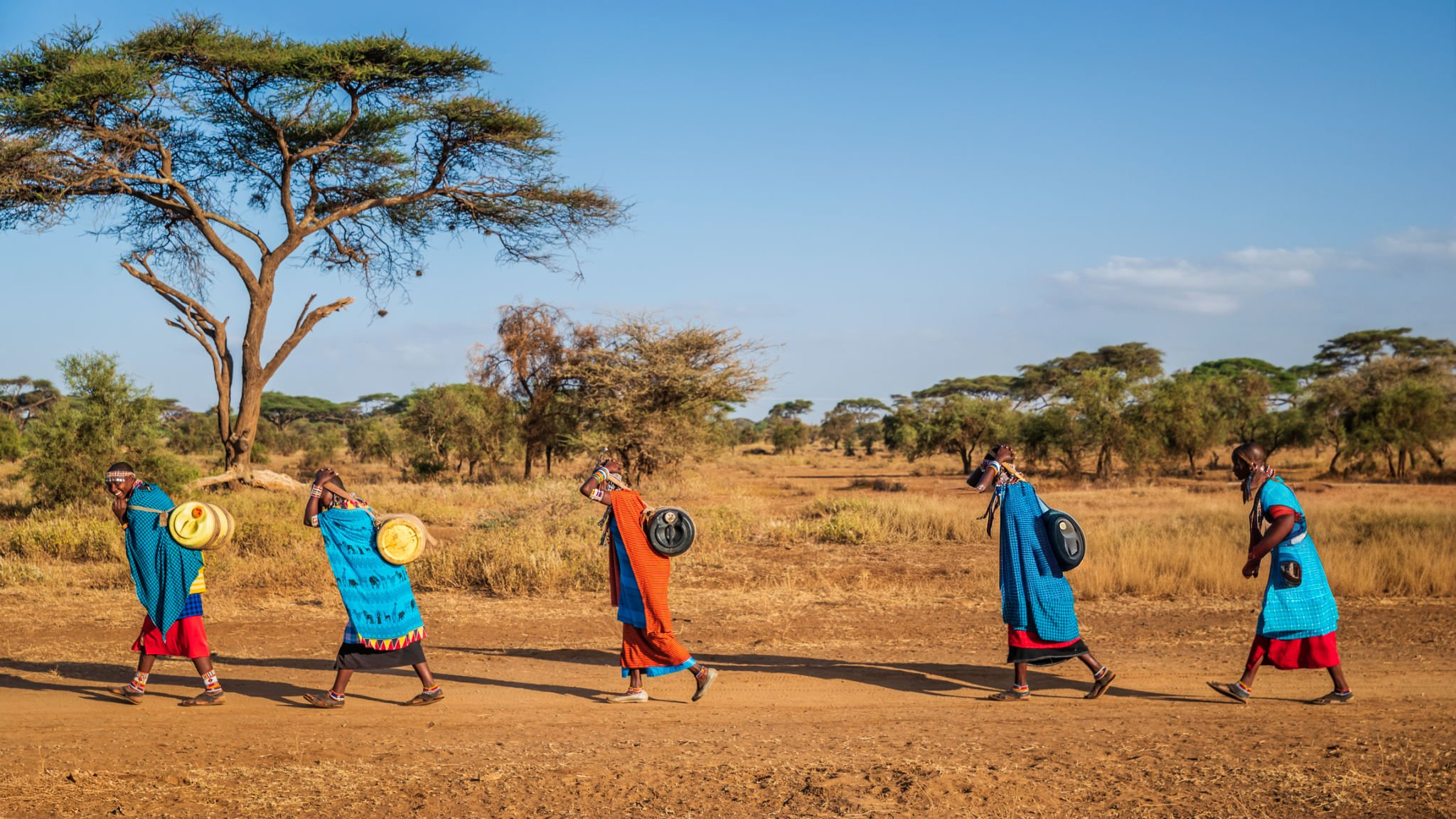
- Climate Change Impacts: Severe droughts, erratic rainfall, and land degradation directly affect livestock-based livelihoods, increasing hardship for families and especially women, who often have to walk further for water and fodder.
- Resource-Based Conflicts: Competition over dwindling water and pasture resources often ignites inter-communal conflicts, leading to insecurity, displacement, and loss of lives and livelihoods. Women are often primary victims of this insecurity but are also key in informal peacebuilding efforts.
- Limited Economic Opportunities: Women typically have limited access to formal employment or diversified income streams beyond traditional roles, making them more vulnerable to economic shocks.
- Marginalization from Decision-Making: Despite their significant contributions to household and community well-being, women’s voices are often underrepresented in traditional peace councils and resource management decisions.
This project acknowledges women’s unique position at the intersection of household well-being, community stability, and resource management, leveraging their potential for transformative change.
Key Project Pillars and Detailed Activities:
Pillar 1: Green Entrepreneurship and Climate-Resilient Livelihoods
- Skills Training for Green Businesses:
- Activities: Provide vocational and entrepreneurial training to women’s groups in climate-resilient and environmentally friendly business ventures. Examples include:
- Apiculture (Beekeeping): Training on modern beekeeping techniques, honey harvesting, processing, and packaging for market. Beekeeping is drought-resilient and contributes to pollination.
- Value-Added Traditional Crafts: Enhancing skills in beadwork (a significant cultural and economic activity), leatherwork, or basket weaving, and linking artisans to fair-trade markets to ensure better prices and sustainable sourcing of materials. (Leveraging beadwork’s traditional role in communication and reconciliation).
- Solar Product Sales & Maintenance: Training women to become local agents for distributing and maintaining small solar lamps, home systems, and clean cookstoves, reducing reliance on kerosene and firewood.
- Indigenous Vegetable Farming & Processing: Supporting small-scale cultivation of drought-tolerant indigenous vegetables (where water is available) and training on drying and preserving them for sale during off-seasons.
- Activities: Provide vocational and entrepreneurial training to women’s groups in climate-resilient and environmentally friendly business ventures. Examples include:
- Business Development Support & Market Linkages:
- Activities: Assist women’s groups in developing simple business plans, registering their enterprises, and accessing start-up kits or equipment.
- Facilitate linkages with local and urban markets, establish collective marketing strategies, and potentially connect them to online platforms or buyer networks.
- Provide financial literacy training and support the formation of Village Savings and Loan Associations (VSLAs) or “chamas” to enable women to save, access small loans, and invest in their businesses.
Pillar 2: Strengthening Women’s Role in Peacebuilding and Conflict Resolution
Conduct public awareness campaigns within communities on the critical role of women in fostering peace and economic development.
Peace Education & Dialogue Forums:
Activities: Organize regular peace education workshops for women, focusing on conflict analysis, mediation skills, communication, and the importance of women’s participation in peace processes.
Facilitate inter-communal and inter-clan peace dialogues specifically for women, creating safe spaces for them to share experiences, build trust, and develop joint solutions to resource-based conflicts (e.g., shared water points, grazing lands).
Leveraging Cultural Practices: Explore and support culturally appropriate ways for women to engage in peacebuilding, such as the symbolic use of beadwork exchanges to signify reconciliation or women-led prayer meetings for peace.
Women’s Leadership & Advocacy:
Activities: Train women leaders to articulate their concerns and proposals in community meetings, engage with traditional male elders, and participate in local governance structures (e.g., County Peace Committees, Ward Development Committees).
Support women in advocating for the inclusion of gender perspectives in local conflict early warning systems and disaster management plans.