

Project Information
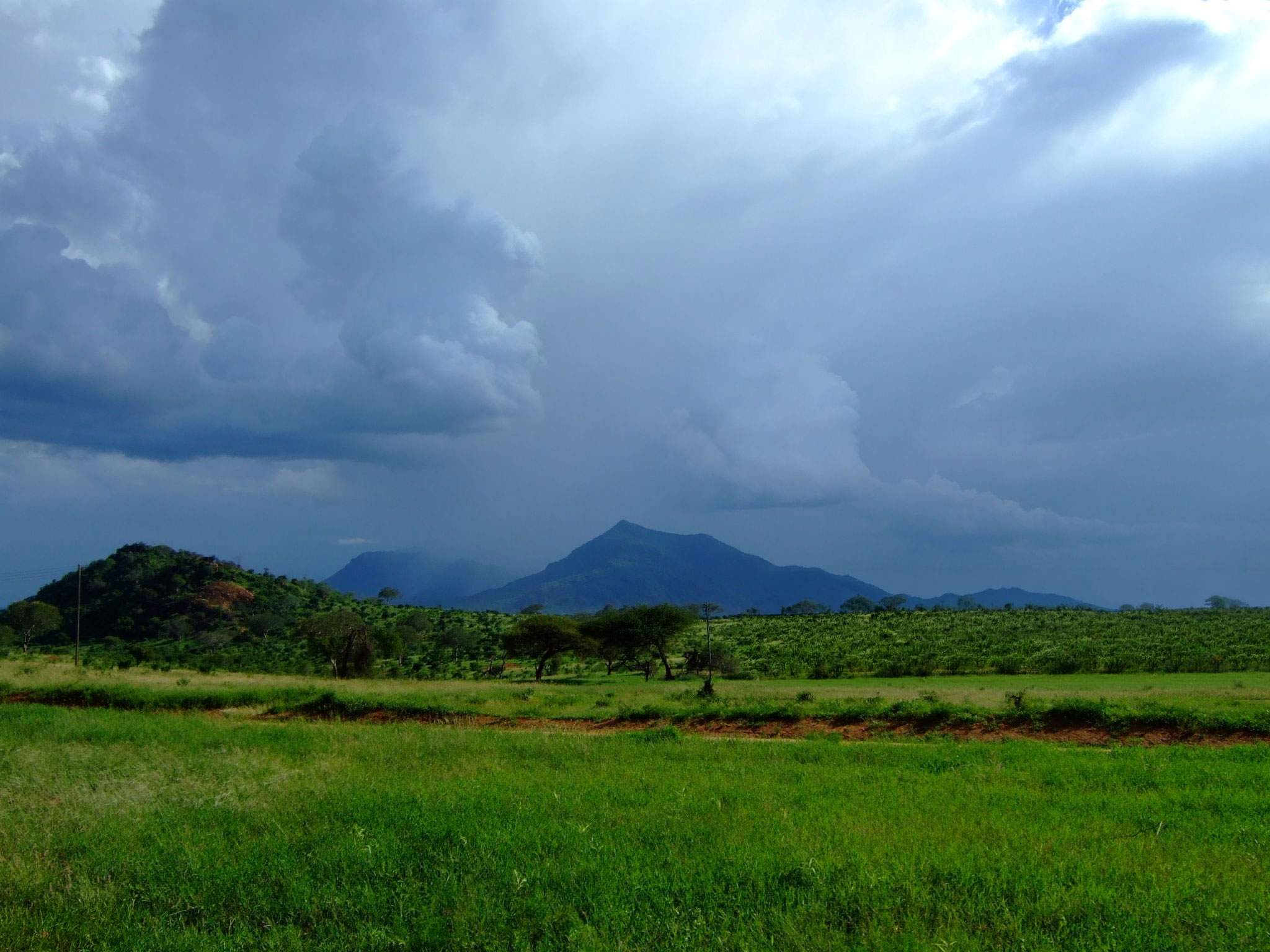
Baringo County's landscape is largely defined by its arid and semi-arid nature, making it highly susceptible to the intensifying effects of climate change.
- Baringo
- Baringo
- July 3, 2025
- May 21, 2027
Resilient Pastoralism: Water, Fodder, & Peace in Baringo County
Project Goal: To enhance the adaptive capacity and sustainable livelihoods of pastoral and agro-pastoral communities in Baringo County by securing access to and improving the management of vital water and rangeland resources, thereby building resilience to climate change impacts and fostering lasting peace.
Context in Baringo County: Baringo County’s landscape is largely defined by its arid and semi-arid nature, making it highly susceptible to the intensifying effects of climate change. Pastoralist communities, whose very existence is intricately linked to their livestock, face a compounding crisis:
- Severe Droughts and Erratic Rainfall: Lead to frequent and devastating livestock losses, dwindling water sources, and widespread food insecurity.
- Rangeland Degradation: Overgrazing, deforestation, and the spread of invasive species like Prosopis juliflora(Mathenge) decimate natural pastures, reducing the land’s capacity to support livestock.
- Intensified Resource Conflicts: As water and pasture become scarcer due to climate change, competition among different communities escalates, often leading to violent clashes, cattle rustling, and displacement. The proliferation of illegal firearms further exacerbates these conflicts.
- Limited Access to Basic Services: Remote pastoralist areas often lack reliable access to clean water, healthcare, and education, compounding their vulnerability.
- Breakdown of Traditional Management Systems: Modern pressures sometimes undermine traditional community-based natural resource management and conflict resolution mechanisms.
PRCD’s project offers an integrated and community-led response to these multifaceted challenges, recognizing that environmental degradation, livelihood insecurity, and conflict are deeply intertwined.
Key Project Pillars and Detailed Activities:
Pillar 1: Sustainable Water Resources Development and Management
- Construction and Rehabilitation of Water Infrastructure:
- Activities: Work with communities to identify strategic locations for and construct new earth dams, subsurface dams, rock catchments, and rehabilitated traditional wells and boreholes. These facilities are vital for capturing and storing rainwater for both human consumption and livestock, reducing long treks to distant water points.
- Solar-Powered Water Pumps: Install and maintain solar-powered pumping systems for boreholes, replacing expensive and unreliable diesel pumps, ensuring consistent and cost-effective water supply even in remote areas.
- Community Water Management Plans: Facilitate the development of community-led water user committees (with significant representation of women, who are often primary water managers) to oversee the equitable distribution, maintenance, and long-term sustainability of water points. This includes establishing rules for water use and dispute resolution mechanisms.
- Water Quality Improvement:
- Activities: Promote household-level water treatment methods (e.g., water filters, PUR sachets), and ensure livestock watering points are separate from human water sources to prevent contamination and improve public health.
Pillar 2: Rangeland Rehabilitation and Holistic Grazing Management
- Community Rangeland Management Plans (CRMPs):
- Activities: Facilitate participatory processes where pastoralist communities (including elders, morans, women, and youth) map their traditional grazing lands, identify degraded areas, and collaboratively develop rotational grazing systems. This helps prevent overgrazing, allows pastures to regenerate, and reduces pressure on specific areas.
- Integration of Traditional Ecological Knowledge: Incorporate and strengthen indigenous practices for rangeland management, such as seasonal movements and controlled burning (where appropriate and safe), with modern ecological principles.
- Fodder Production and Conservation:
- Activities: Introduce and promote the cultivation of drought-tolerant fodder grasses and legumes (e.g., Napier grass, Brachiaria, Msesekwa) in strategically located fodder banks or enclosures.
- Train communities on fodder preservation techniques like haymaking and silage production to ensure feed availability during prolonged dry seasons, reducing reliance on expensive purchased feeds or emergency aid.
- Rangeland Restoration:
- Activities: Implement soil and water conservation measures (e.g., contour bunds, reseeding degraded areas with indigenous grass species) to enhance soil fertility, reduce erosion, and promote natural regeneration of pastures.
- Sustainable Management of Invasive Species: Provide training on the effective and sustainable management of invasive species (like Prosopis juliflora), exploring their beneficial uses (e.g., charcoal, fodder from pods) as a control measure.
Pillar 3: Diversified Livelihoods and Economic Empowerment
- Climate-Resilient Livestock Management:
- Activities: Provide training on improved animal husbandry, basic veterinary care, disease prevention, and selective breeding for more drought-tolerant and productive livestock breeds (e.g., small stock like goats and sheep, which are often more resilient).
- Support community livestock marketing groups to access better markets and negotiate fair prices for their animals, reducing distress sales during droughts.
- Alternative Livelihoods Development:
- Activities: Introduce and provide training for climate-resilient, non-pastoralist income-generating activities such as:
- Apiculture (Beekeeping): Promoting modern beehives and training on honey harvesting, processing, and marketing.
- Dryland Agro-Pastoralism: Where feasible, introduce drought-tolerant food crops (sorghum, millet, green grams) for subsistence and sale, reducing reliance solely on livestock.
- Green Enterprises: Empowering youth and women to establish small businesses related to renewable energy (e.g., solar lamp sales and repair), water management (e.g., water kiosk management), or value-added products from local resources.
- Activities: Introduce and provide training for climate-resilient, non-pastoralist income-generating activities such as:
- Financial Inclusion:
- Activities: Facilitate the establishment of community savings and loan associations (VSLAs) and link them to microfinance institutions, providing access to credit for business development and emergency needs.
Pillar 4: Peacebuilding and Conflict Transformation
- Resource-Based Conflict Resolution:
- Activities: Facilitate inter-communal peace dialogues and forums specifically focused on equitable access and management of shared resources (water points, grazing lands). This involves bringing together elders, youth, and women from conflicting groups.
- Training in Mediation & Negotiation: Build the capacity of community leaders, women, and youth to act as peace champions and mediators in local disputes, using traditional and modern conflict resolution techniques.
- Early Warning Systems for Conflict:
- Activities: Establish community-level committees responsible for monitoring escalating tensions related to resource scarcity or cattle raiding, and ensure effective communication channels with local authorities for timely intervention.
- Advocacy for Peaceful Coexistence:
- Activities: Support community leaders in advocating to county and national authorities for stronger security interventions, disarmament initiatives, and policy frameworks that promote peaceful coexistence and equitable resource sharing.
- Sports and Cultural Initiatives for Peace: Organize events (e.g., football tournaments, cultural festivals) that bring youth from different communities together to foster positive interactions and break down stereotypes.
Expected Outcomes:
- Improved Water & Fodder Access: Communities have more reliable access to water and pasture, especially during dry seasons.
- Reduced Livestock Losses: Healthier herds and better feed availability lead to fewer livestock deaths from drought and disease.
- Increased Food Security: More stable and diversified livelihoods ensure better access to food for households.
- Decreased Resource-Based Conflicts: Communities adopt cooperative resource management practices, leading to fewer violent clashes and enhanced security.
- Empowered Communities: Stronger local governance structures, increased participation of women and youth, and enhanced capacity for self-reliance.
- Sustainable Rangelands: Degraded areas show signs of recovery, contributing to long-term ecological health and productivity.
This “Resilient Pastoralism” project is a comprehensive and essential intervention for Baringo, addressing the root causes of vulnerability and conflict to build a more secure, prosperous, and peaceful future for its pastoralist communities.